
Guides
What Drives Aluminium Window Lead Times
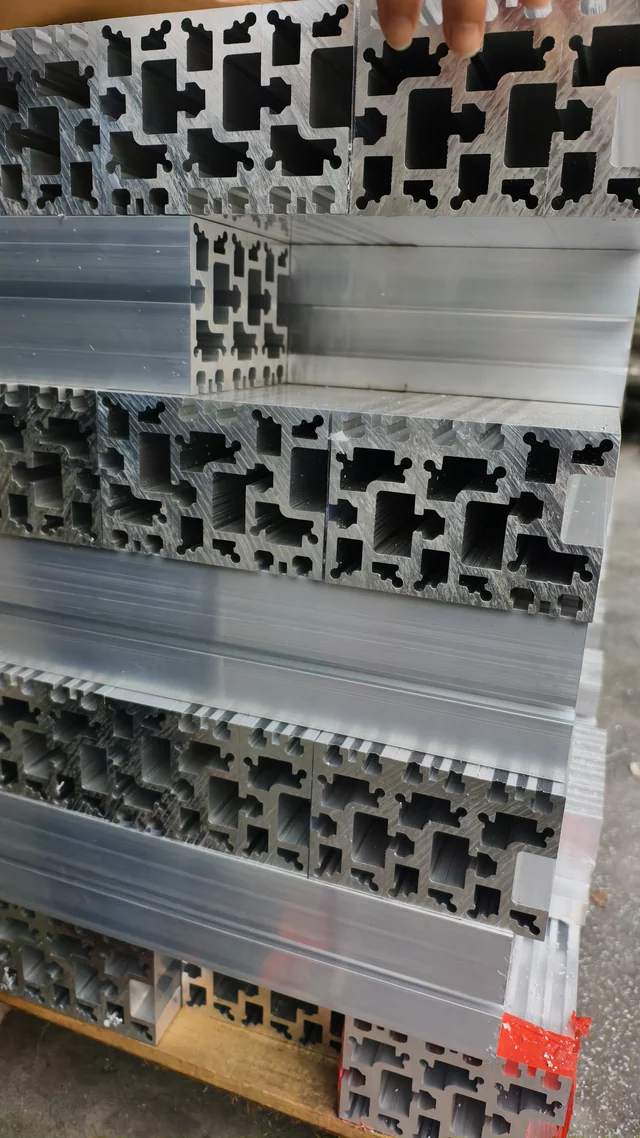
Lead time is a sequence, not a guess. An aluminium window moves through a die batch, an extrusion run, a coating cure, glazing, quality checks, container loading and ocean freight, and each stage has a physical reason it cannot be skipped. Understanding the sequence is how a buyer plans around it instead of chasing it. This guide sets out the stages and the controls, with the lead time confirmed per project at quotation.
The sequence a window follows
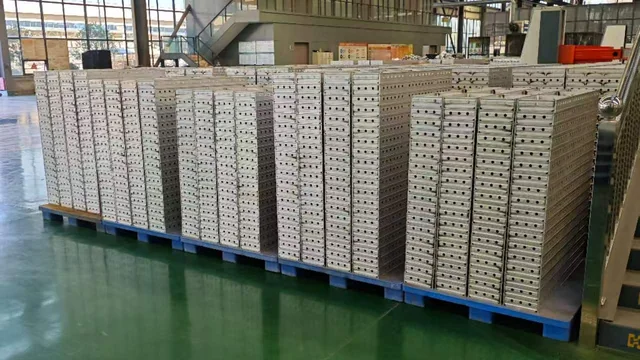
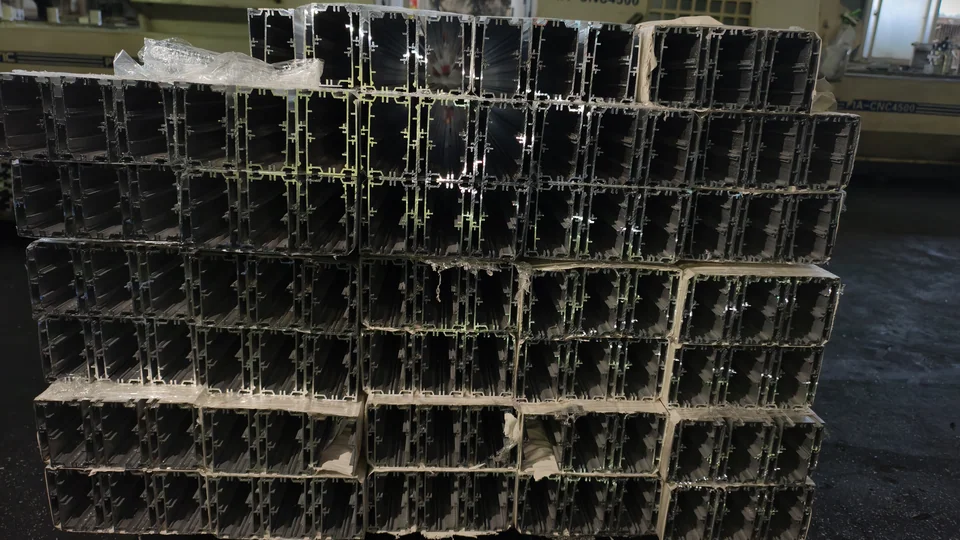
An order runs through the same stages in the same order. A die batch is prepared and the profiles are extruded, then the sections move to the coating line where the finish is applied and cured. The glazed units are set into the sashes, the window is assembled and checked, and the finished product is packed and loaded into the container. The shipment then moves by ocean freight to the destination port. Each stage depends on the one before it.
Why the stages are fixed
The stages are fixed because each one changes the product in a way that cannot be reversed. Extrusion sets the profile geometry, and the coating cure has to finish before the sections are cut and assembled, or the film will not hold. Glazing has to follow assembly, and quality checks have to follow glazing. Compressing a stage means rushing a cure or skipping a check, and both show up later as a coating that fails or a window that leaks.
What extends the clock
Three choices reliably extend a schedule. A custom RAL colour adds a coating step, because the finish has to be mixed and cured for that batch. A triple glazing configuration adds a heavier, deeper unit that changes the sash and the bead, so the build-up is settled later. And a sample round trip, where a sample is sent, reviewed and revised before approval, adds a loop to the front of the order. The problem is discovering these after the specification was assumed frozen.
Controls that keep a project moving
Keeping a project on schedule comes down to fixing the inputs early. Freeze the specification before the order is placed, so the profiles, the finish and the glass build-up are settled in one pass. Confirm samples in one round rather than several, and give the factory a complete pack to quote against. A complete dimensional pack shortens the loop, and it travels with the quotation so the factory can quote against fixed numbers. Every input left open is a stage that cannot be scheduled.
Shipping and export structure
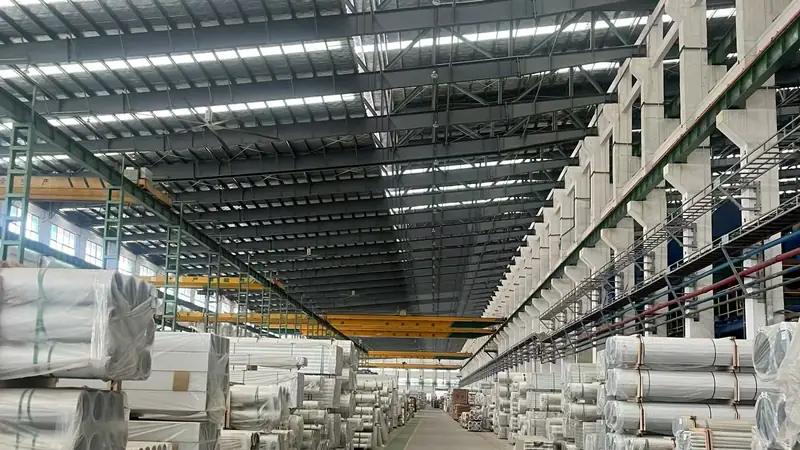
Once the windows are packed, the schedule follows the shipment. Container loading depends on the order being complete and correctly labelled, and ocean freight depends on booking space against the loading date. Export documentation has to match the goods so the shipment clears at the destination. These stages sit outside the factory, which is why the total lead time is confirmed per project at quotation.
Where projects lose time
Most projects lose time before production starts. A specification that changes after the order is placed resets the sequence, and an incomplete drawing pack forces questions back and forth that delay the release. A colour approved late delays the coating run, and a sample that goes through more than one revision pushes the whole order back. The fix is administrative: settle the finish, the glass and the dimensions first, approve samples in one pass, and keep one version of the specification in circulation.
FAQ
Frequently asked
How long does an aluminium window order take?
It is confirmed per project at quotation, because the sequence depends on the finish, the glass build-up and the sample round. The order moves through a die batch, extrusion, a coating cure, glazing, quality checks, container loading and ocean freight, each stage depending on the one before it.
Why can the coating stage not be rushed?
Because the finish has to cure before the sections are cut and assembled. A powder or thermal transfer film that has not fully cured will not hold once the profiles are handled, and the fault appears later as chipping or fading. The cure is part of making the product.
What slows an order down most?
Late changes. A specification that moves after the order is placed resets the sequence, an incomplete drawing pack sends questions back and forth, and a colour approved late pushes the coating run. Fixing the finish, the glass and the dimensions early keeps the schedule intact.
How can a buyer shorten the lead time?
By settling the inputs before the order is placed. Freeze the specification, approve samples in one round, and hand over a complete dimensional pack so the factory can quote against fixed numbers. A custom RAL finish and a triple build-up add their own steps, so deciding on them early keeps the sequence moving.
When is the lead time confirmed?
At quotation, per project. The production window and the sailing are planned together once the finish, the glass build-up and the drawing pack are fixed, so the confirmed lead time reflects the actual order rather than a generic figure. Ask for it in writing with the quote.
Keep going
Related in the range
Send your opening schedule
Series, glazing and finish come back as one quotation, with the full dimensional pack on PDF and CAD on request.