
Guides
How to Import Aluminium Windows from China: Eight Steps
Importing aluminium windows from China works when the specification is tight before the inquiry goes out. Most cost overruns trace back to a vague opening schedule, a glazing build-up that never matched the site, or a finish code nobody verified. This guide sets out eight steps, from writing the specification to handing over documentation on site, in the order a first-time importer should work through them.

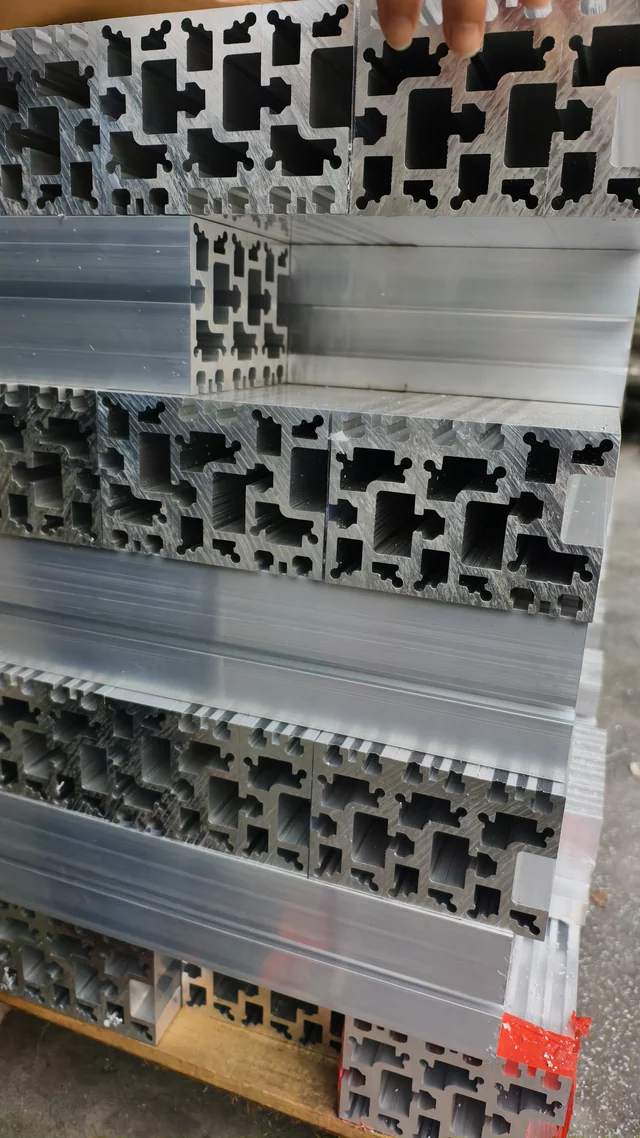
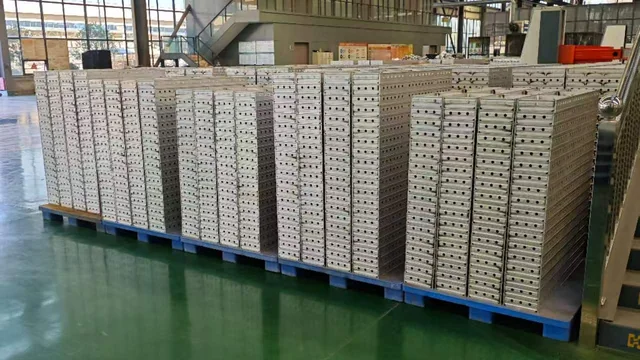
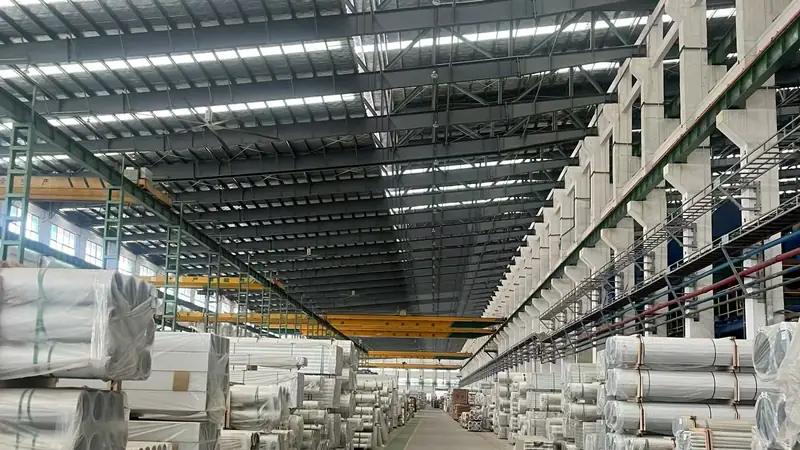
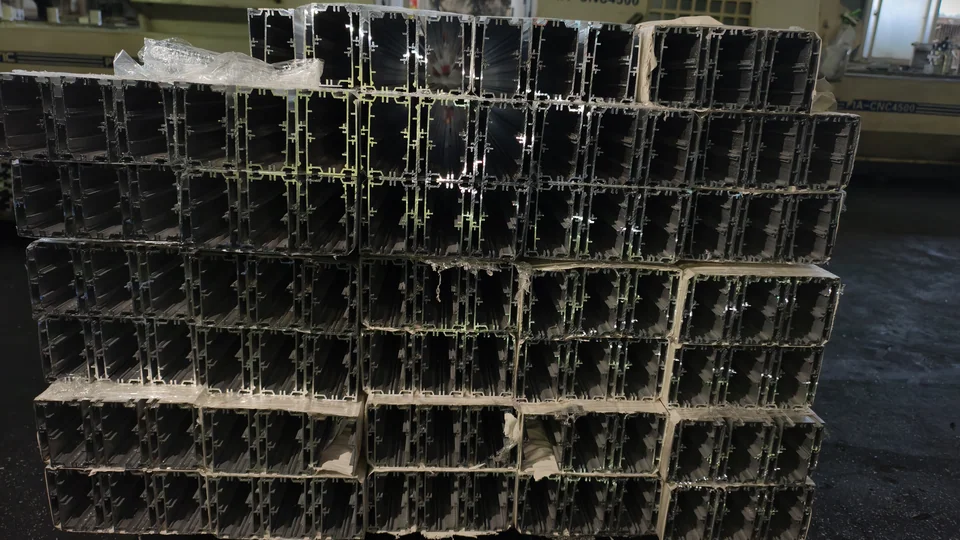
PROFILE RACKS · STORAGE
Step 1: write the specification
Start with the opening schedule: every window and door, its reference, its size in millimetres, its type and its orientation. Add the glazing build-up you need, in glass thickness, cavity and, where relevant, coating. Name the finish system and the colour, and note the performance requirements from the project engineer, such as wind load, water tightness and thermal targets. Include the hardware expectation, since lock type and handle finish affect both price and lead time. A schedule with sizes and a written performance line lets a factory quote the same thing twice, which is what makes quotes comparable across suppliers.
Step 2: request the quotation and check the pack
A serious quotation carries more than a price. Ask what ships with it. Adam Alux supplies a dimensional pack as a PDF with every quotation, with CAD available on request, so the profile sections, the sight-lines and the hardware layout can be checked before ordering. Read the glazing build-up line by line and confirm the frame series and wall thickness. Confirm the finish system, the packing method and the container plan.
Where a quote lists only a price and a delivery window, the details have not been settled, and every unsettled detail becomes a change order later.
Step 3: samples before production
Before a full order, ask for physical confirmation. Adam Alux can supply a sample profile set and a finished test unit on request, which lets you hold the section, the finish and the hardware before committing to volume. Check the wall thickness against the data sheet, the colour against the approved sample, and the glazing build-up against the specification. A test unit also shows how the sash closes and how the drainage sits. Samples add time at the start and remove disputes at the end, which is usually the better trade.
Step 4: production and quality checkpoints
Agree inspection points at each stage of the build. Cutting and extrusion checks confirm the profile and wall thickness. Fabrication checks cover welding or crimping at the corners and the hardware layout. Glazing checks confirm the build-up and the seal. Final checks cover operation, adjustment and finish. On a first order, ask for photos or a video at each stage, or appoint a third-party inspector. Adam Alux has produced aluminium windows and doors since 1997 across three production bases, and extrudes its 35 series in-house in 6063-T5 primary aluminium, so the profile stage sits inside the same house as the assembly.
Step 5: container loading for glazed units
Glazed windows travel as finished units, so packing decides how many arrive sound. Units are normally loaded on edge, rather than flat, so the frame carries its own weight instead of the glass bearing on a bead. Padding goes between units and at the corners, and the load is braced so nothing shifts on the sea passage. Where units ship pre-glazed, the glazing stays in the frame, which protects the assembly and cuts site labour. Export-standard containers keep the packing plan consistent, and the plan should be agreed before the first unit is crated.
Step 6: customs and HS classification
Aluminium windows and their frames are classified under HS 7610, the heading for aluminium structures and parts, which includes aluminium frames and glazing for windows and doors. Confirm current rates for HS 7610 in your country's tariff schedule; rates change, and rules of origin matter, because the duty that applies depends on where the goods are treated as originating and on any trade agreement your country holds with China. Your customs broker should map the exact product to the correct subheading and check any anti-dumping or safeguard measures in force at the time of import. Get this in writing before the order ships.
Step 7: landing and installation handover
Plan the site handover before the container lands. The importer needs the packing list that maps cartons to openings, the dimensional pack with the installation details, the hardware schedule, and the finish and glazing confirmation. Add any test or conformity documents that apply to the project. On site, the installation method matters as much as the product: fixing spacing, shimming and sealing follow the assembly's details. A window fitted out of level, or sealed with the wrong product, loses performance it was bought for. Store units on edge, under cover, until they are installed.
Step 8: mistakes that cost money
The costly mistakes repeat. A vague opening schedule leads to remeasured or reworked frames. Missing tolerance calls let an installer guess the gap, and the seal fails at the first storm. An unverified finish code produces a colour that does not match the approved sample. An unconfirmed glazing build-up ships glass that does not carry the required load at the required span. Skipping the sample means the first physical unit is the first one you see. Leaving customs classification until the ship sails removes your options. Each of these is settled at specification and quotation stage, which is where the final cost is decided.
FAQ
Frequently asked
What HS code covers aluminium windows from China?
Aluminium frames and glazing for windows and doors fall under HS 7610. The exact subheading depends on the product and how your customs authority classifies it, so confirm the code with your broker. Rates for HS 7610 change and depend on your country's tariff schedule and on rules of origin, so current rates should be confirmed at the time of import.
Do I need samples before placing a full order?
It is worth it on a first order. A sample profile set shows the section, wall thickness and finish, and a finished test unit shows operation, glazing and drainage. Adam Alux supplies both on request. Checking the physical product against the specification removes the most common source of dispute before production starts.
What should arrive with the quotation?
A dimensional pack, supplied as a PDF with CAD available on request, covering profile sections, sight-lines and the hardware layout. Confirm the glazing build-up, frame series and wall thickness, finish system and packing plan. A quotation with a price but no build detail leaves the specification open, and open specifications turn into change orders.
How should glazed windows be packed for sea freight?
Load units on edge so the frame carries the weight, pad between units and at the corners, and brace the load against movement. Export-standard containers keep the layout consistent. Pre-glazing in the factory protects the assembly and reduces site work, provided the packing plan is fixed before crating begins.
Who confirms the duty and rules of origin?
Your customs broker or freight forwarder should confirm the classification, the rate in force and the rules of origin that apply. This is a customs question, rather than a factory one, and it changes with trade policy. Ask for the position in writing before the order ships so the landed cost is known before the money is committed.
Keep going
Related in the range
Send your opening schedule
Series, glazing and finish come back as one quotation, with the full dimensional pack on PDF and CAD on request.