
Guides
What Moves an Aluminium Window Quotation
Two quotations for what looks like the same window can sit far apart, and the reason is usually visible on the drawing rather than on the quotation itself. A window is costed from its perimeter, its section weight, its glass, its hardware, its finish, the number of units and the way those units are packed for a container. None of that is hidden. This guide walks the factors in the order they move a quotation, and closes with the four items an enquiry needs.
The opening sets the amount of metal
A window is bought as a frame and a sash, each running around the opening, so the perimeter is what a factory costs before the area. Two windows of the same area can carry very different perimeters, and a tall narrow light uses more section than a square one beside it. Count the sashes as well: a two-sash slider carries twice the leaf hardware of a fixed light in the same hole.
Section, wall and the alloy
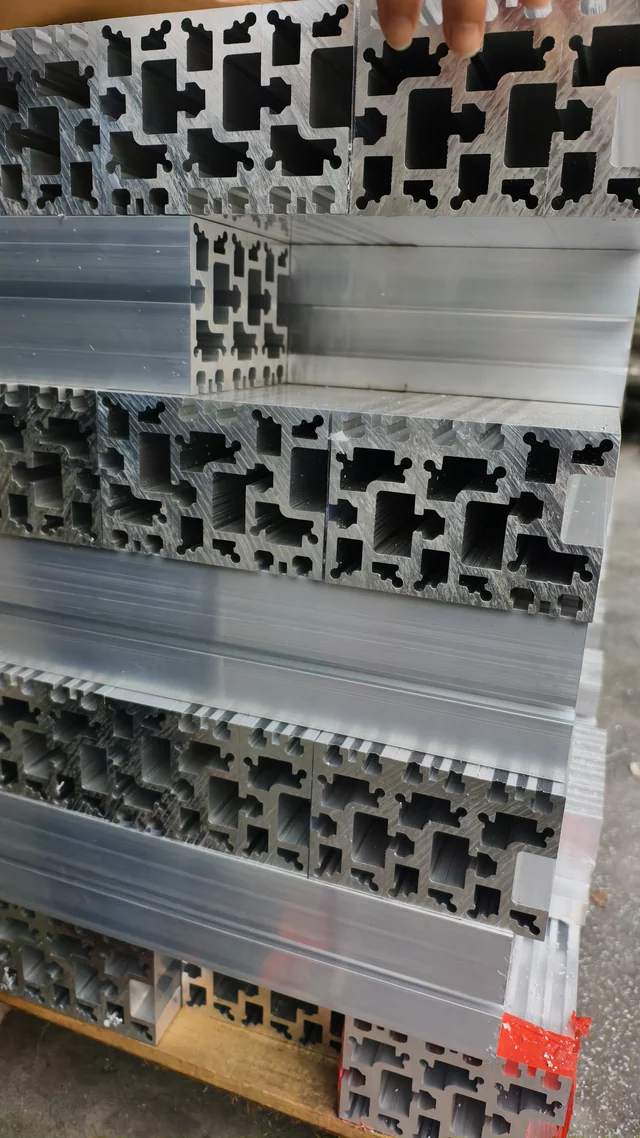
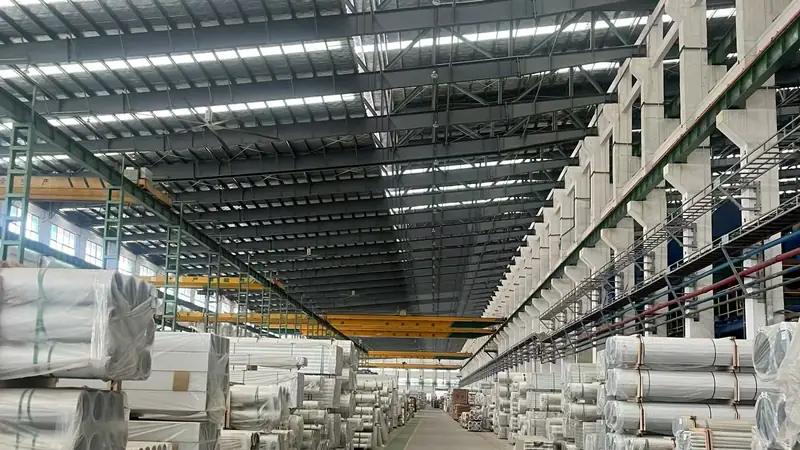
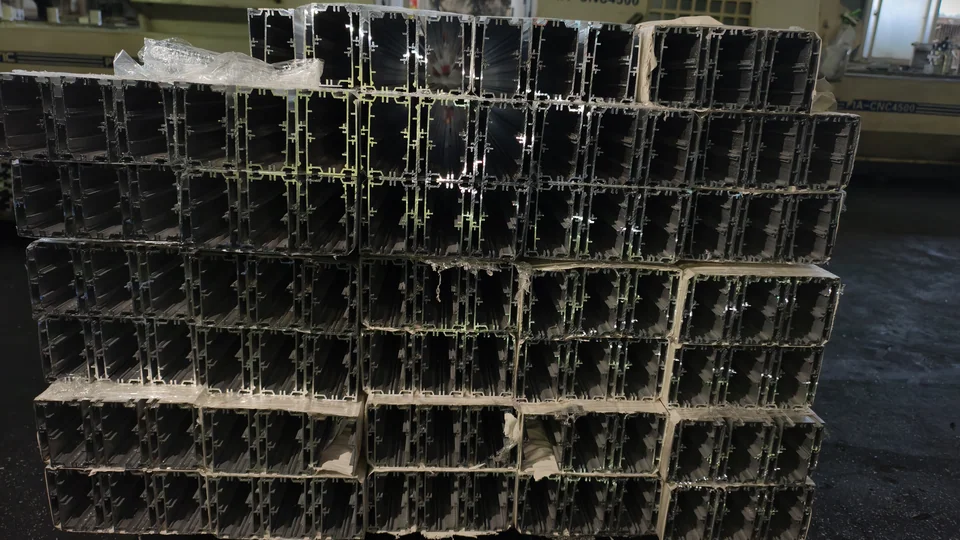
The series decides how much aluminium sits in the metre. The 50 casement runs a 50 mm frame on a 1.2 mm wall; the 112 and 118 casements run a 2.0 mm wall on five and six chambers. A heavier wall and more chambers mean more metal per length and a stiffer section, which is a different line from a change of trim. Adam Alux extrudes in-house in 6063-T5, so the wall is a drawing value.
Glass moves the line further than buyers expect
Glass is a large share of a finished window, and the build-up decides it. Standard is 5-20 A-5 insulating glass, with single and triple builds on request, and the 118 casement takes 5-27 A-5. A coated or tinted outer pane, a wider cavity and a heavier unit each change the material and the handling. Ask for the cavity and the pane make-up in writing, since two build-ups can look much the same on a section drawing. Fix the build-up per elevation before asking for a comparison.
Hardware, finish and the colour build
Hardware follows the opening. Ball-bearing rollers on the sliding lines, hinges and a multi-point lock with a keyed handle on the casements, and an insect screen on the 50 casement. Finish is the next line: anodised, powder coated and fluorocarbon differ in process, and RAL matching or two-tone faces add a step. A colour that has to match a window schedule is quoted as a colour, not as a stock shade.
Volume, packing and the port
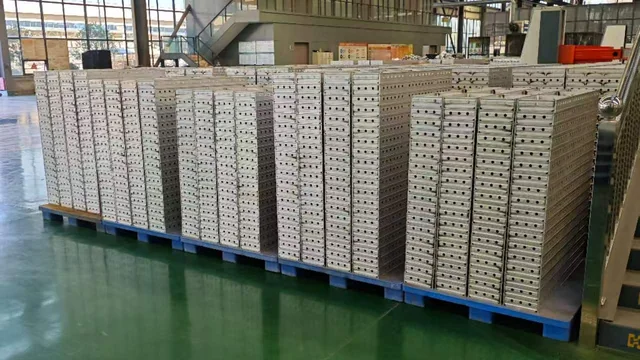
Quantity changes the line through setup and packing rather than through the unit itself. A repeated size spreads the die and the setting over more windows; a mix of sizes in one container needs more protection between frames. Packing and the destination port decide the freight line, so quote the terms together. Four items close a firm enquiry: opening sizes, series and opening type, glass and finish, quantity with the port.
FAQ
Frequently asked
Why do two quotes for the same window differ?
Usually because the two windows are not the same. Perimeter, sash count, wall thickness, glass build-up, hardware, finish and packing all move the line, and a quotation that states none of them cannot be compared. Ask each supplier to answer one opening schedule, one glass build, one finish and one document request, then read the replies together.
Which factor moves a quotation most?
Glass and section, in that order for most projects. Glass is a large share of a finished window, and a wider cavity or a coated pane changes it, while a heavier wall adds metal along every metre of frame and sash. Opening count and packing then decide how the total lands for a container.
Does a bigger window always cost more?
Not by area alone. A taller window carries a longer perimeter for the same area, and a wide light may need a heavier wall to hold its line. Sash count matters too, because each leaf brings its own hardware. Cost the opening and the hardware, not the square metre.
How does quantity change the quotation?
Through setup and packing rather than through the unit. A repeated size spreads the die and the setting across more windows, and a container of one size packs more densely than a mix. Ask for a quotation against the actual split, since a single-size figure will not hold for a mixed schedule.
What should an enquiry contain?
Four items: opening sizes with the opening type, the series or the performance required, the glass build-up and finish, and the quantity with the destination port. Add the drawings where they exist. The reply then carries the dimensional pack as a PDF, with CAD on request, and lead time confirmed with the quotation.
Send your opening schedule
Series, glazing and finish come back as one quotation, with the full dimensional pack on PDF and CAD on request.