
Market Supply
Aluminium Windows and Doors for Mexico: Heat, Dust and Cooling Loads
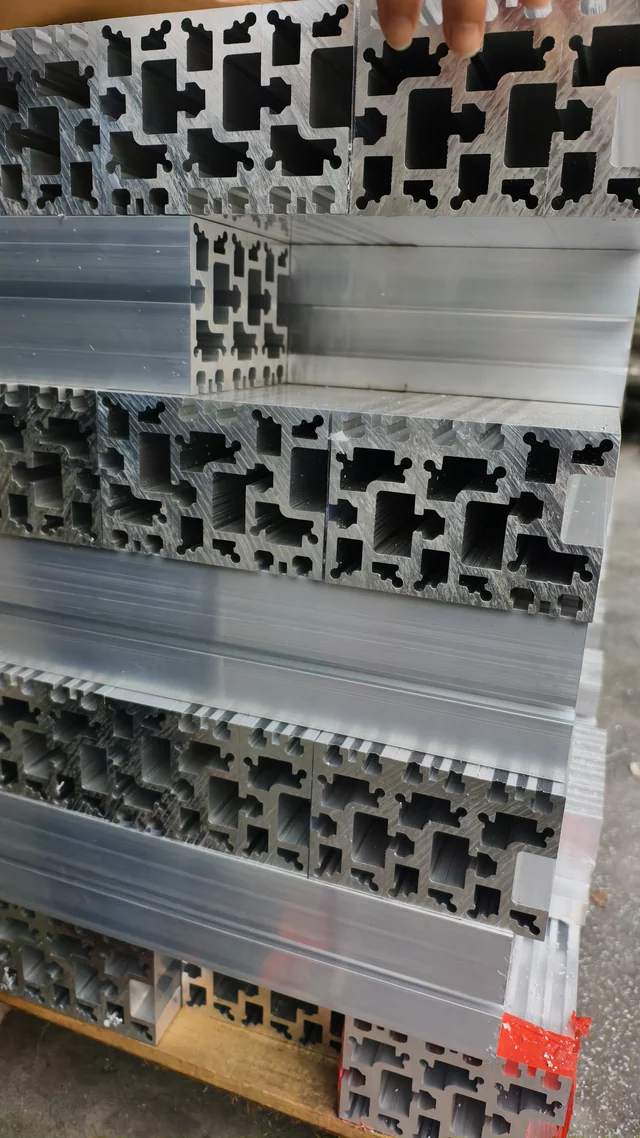
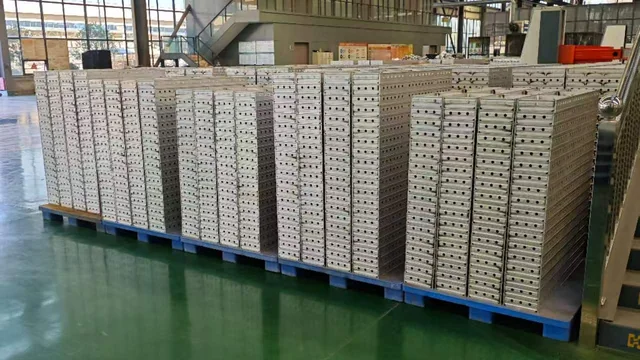
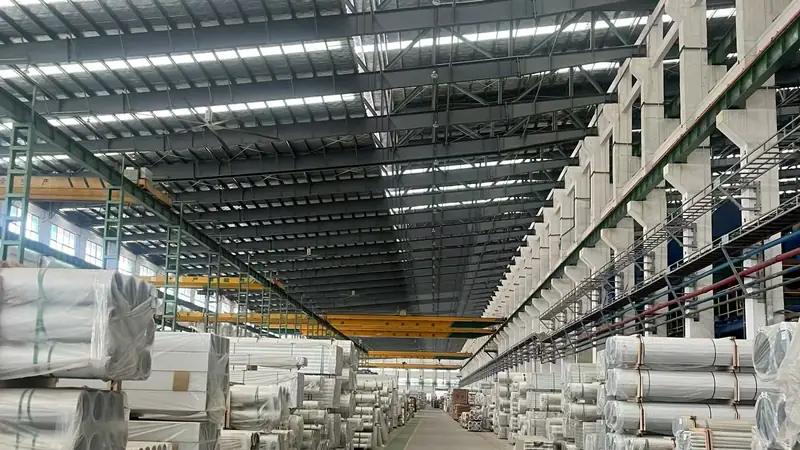
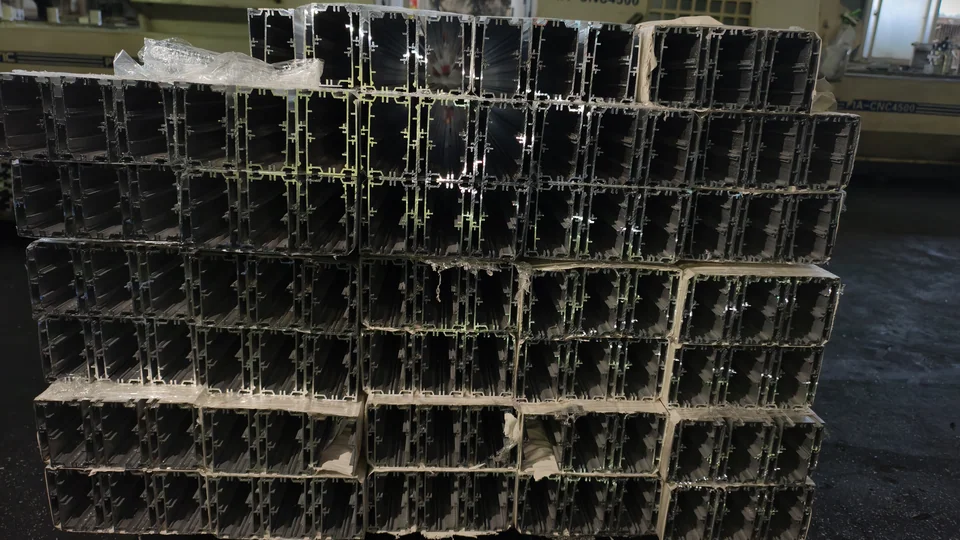
Mexican projects are priced against heat. The coast runs hot and humid, the highland interior stays milder under strong sun, and in both the cooling load starts at the glass. Dust is the second factor, since a poorly sealed track pulls grit into the rollers and the slide stiffens within a season. Adam Alux Systems has run extrusion and window production since 1997 across three bases in China, and prices Mexican work from the opening schedule and the cooling target.

MEXICO · BALCONY BANDS
Reading a Mexican opening schedule
Schedules from Mexico tend to list opening sizes first and glazing second, which leaves the glazing decision to the supplier. That decision drives the running cost. A single pane passes solar heat straight into the room and the split unit works harder all afternoon; an insulating unit slows that transfer.
Sun exposure adds a second variable. West-facing glass takes the afternoon peak, and on those elevations the cavity width matters more than the frame depth. Which elevation gets which build-up is set at quotation.
Series that fit Mexican projects
The 110 casement window suits mid-rise residential work: five chambers, a 1.4 mm wall, and enough depth for a 5-20 A-5 unit. For smaller openings and tighter budgets the 50 casement window runs a 50 mm frame at 1.2 mm with the same standard glass and a high-transparency insect screen.
Horizontal light goes to the 95 sliding window, which runs 2 or 3 tracks on ball-bearing rollers at 1.4 mm. Balcony and terrace openings take the 35x16 narrow-frame sliding door, a thin sightline on a slim profile. Panel widths and sash weights are quoted against the opening.
Glass under a high sun
The window range leaves the factory on 5-20 A-5 insulating glass, with single or triple builds available on request. On a hot elevation the cavity does most of the work, and a tinted or coated outer pane can be added from the clear, frosted, reeded, fluted and coated options. Balcony sliders take automotive-grade tempered glass.
The building decides the build-up. A warehouse with no cooling runs a different answer from a hotel room, which is why the glazing is confirmed per project at quotation.
Dust, drainage and coastal finish
Dust arrives with the dry season in the north and with construction traffic everywhere. Frames drain through an open self-draining path so grit and water leave the sill, and EPDM foam gaskets close the sash against the frame. Sliding tracks sit where grit collects, so a sash that rides on ball bearings clears small debris as it moves.
On the Gulf and Pacific coasts, salt adds to the load. Fluorocarbon is the finish that holds colour and cut edges longest there, with anodised and thermal transfer as the other two lines and RAL matching available.
Sending a Mexican enquiry
Four inputs start a Mexican quotation: opening sizes with heights, units per size, the arrival port, and how the space is cooled. Manzanillo takes Pacific freight; Veracruz and Lazaro Cardenas serve the Gulf side. The quotation carries a dimensional pack on PDF with CAD on request, and a sample profile set or a finished test unit can be shipped before the order is placed.
FAQ
Frequently asked
Is there a Mexican certification for these windows?
No Mexican certificate is held. The only attestation Adam Alux carries is CE to EN 14351-1 under no. M.2024.206.C101817, issued by UDEM. Where a Mexican project names a local approval route, the glazing build-up and the engineering are confirmed against the project at quotation, so the paperwork question is closed before production starts.
Which series works for a mid-rise apartment block?
The 110 casement window covers most mid-rise work: five chambers on a 1.4 mm wall, deep enough for a 5-20 A-5 unit, with multi-point locking as standard. Where the budget is tighter and the openings smaller, the 50 casement window does the same job on a 50 mm frame. Both take a high-transparency insect screen as standard.
Does insulating glass pay back in a hot climate?
It usually does where the space is air-conditioned for most of the year. The cavity slows heat transfer into the room, so the unit runs less at the afternoon peak. Window series take 5-20 A-5 as standard and triple on request; the 118 line goes to 5-27 A-5. A tinted outer pane can be added where sun exposure carries the larger share of the load.
How are the frames finished for coastal sites?
Fluorocarbon is the usual choice on the Gulf and Pacific coasts, since salt works on coating edges and cut ends. Anodised and thermal transfer are the other options, with RAL matching and two-tone faces on request. All three run on the same extrusion, so the finish does not change the profile or the glazing rebate.
What keeps dust out of the sliding tracks?
EPDM foam gaskets seal the sash against the frame, and the sill drains through an open self-draining path, so grit and rainwater leave rather than collecting. On sliding units the ball-bearing rollers carry the sash slightly clear, which lets small debris pass. A high-transparency insect screen comes as standard on the casement range.
Reference projects in comparable climates

villa · day scene
Dark-clad villa, timber slat screens
Dark-clad street villa with timber slat screens and a corner sauna pavilion.

villa · day scene
Contemporary villa, lighted panel facade
Contemporary villa with a vertically lighted panel facade and warm evening accents.

villa · day scene
Three-storey villa, glass corner
Three-storey villa with a structural glass corner and pool-side elevation.
Send your opening schedule
Series, glazing and finish come back as one quotation, with the full dimensional pack on PDF and CAD on request.