
Guides
Xingfa Profile Alternative: Bars or Finished Windows
Xingfa is a Chinese aluminium profile manufacturer, and that single fact explains most of what a comparison against it involves. A profile order and a window order are different products with different risk, and a buyer who prices one against the other is measuring two stages of one job. This guide separates them: what arrives on a profile pallet, what has to happen before those bars become a window, and how a single responsible party changes the acceptance question.
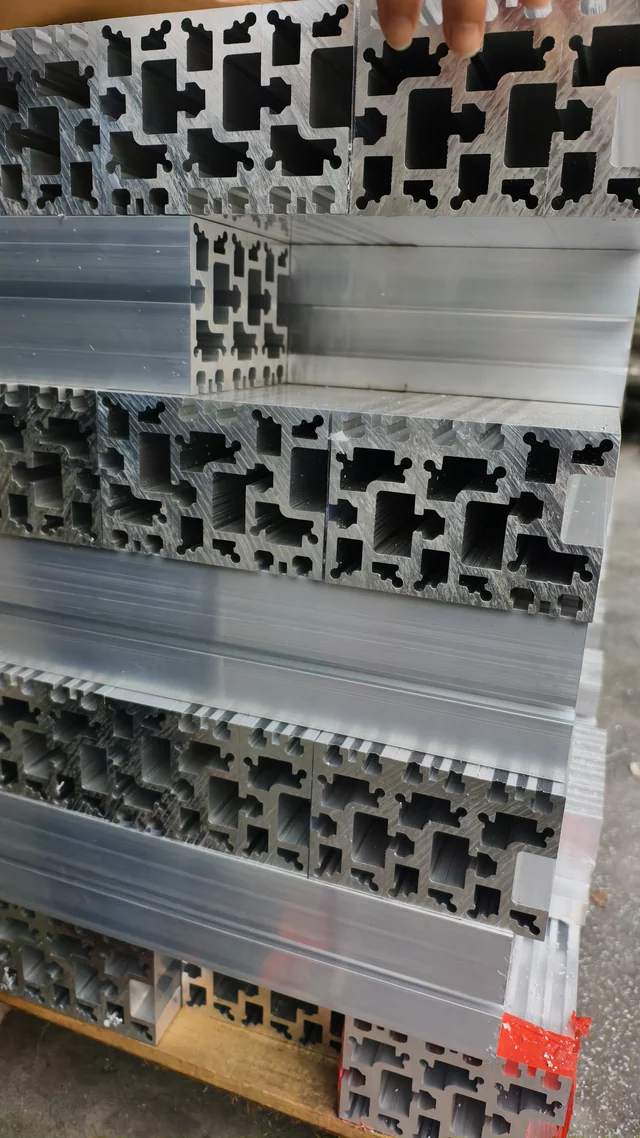
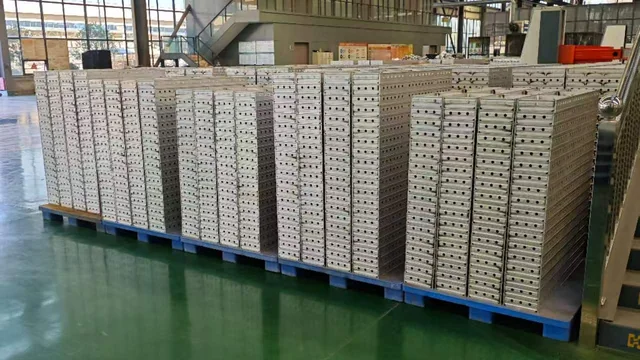
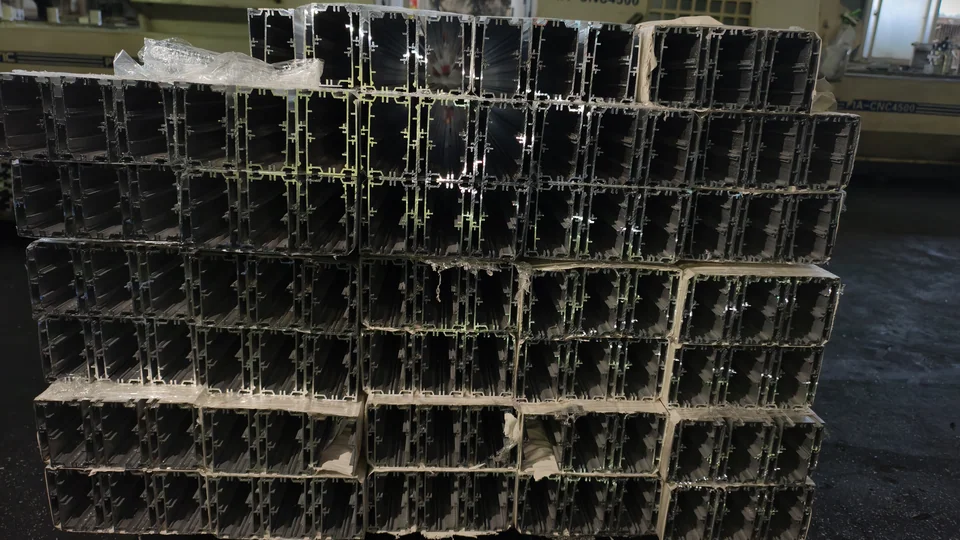
A profile order delivers bars
What lands is mill finish or coated extrusion, cut to length, bundled and packed. The buyer receives sections, not openings. Everything that turns a section into a window stays with him: the cutting list, the corner crimping or cleating, the hardware machining, the gaskets, the glazing and the test that proves the leaf closes square. The bar is the raw material of the product, and it is priced as raw material.
The fabrication step nobody prices
Fabrication is where a project's labour, waste and rework sit. Every opening needs a cut list, a jig, a hardware set and a glazier, and every mistake at that stage is discovered after the frame is assembled. A buyer with a workshop and trained hands carries that cost openly. A buyer without one carries it as delay. This is the step a finished-window order removes, and it is the reason two prices for the same section rarely compare.
One responsible party, one acceptance
Order windows and the frame, the sash, the gaskets, the hardware and the glass leave the same line against one dimensional pack. A size schedule is agreed once, and a batch made in month four matches a batch made in month one because the same drawings and the same jigs produced both. With profiles bought separately, that consistency depends on two workshops holding the same tolerance, which is a promise rather than a control.
What the range actually covers
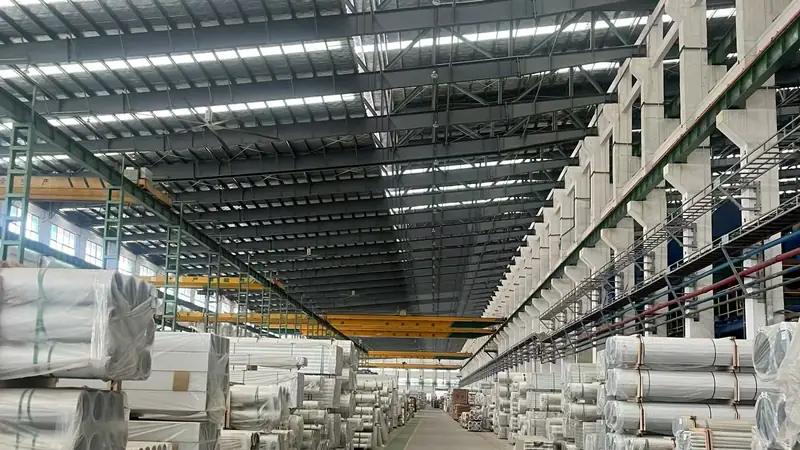
The catalogue runs 35 series, 28 doors and 7 windows, extruded in-house in 6063-T5. Wall thickness follows the line: 1.2 mm on the 50 casement with 5-20 A-5 glass behind a high-transparency insect screen, 1.4 mm on the 95 slider at 95 mm depth, and 2.0 mm on the 112 and 118 casements, the 118 on six chambers with a 5-27 A-5 unit and the 112 on five with a flush-line sash.
Acceptance, and what to inspect
Whichever route is chosen, inspect the same four things. The section against the drawing, including wall thickness measured on a chamber wall rather than at a corner. The finish on the actual profile, since a colour reads differently on a profiled face. The hardware cut-outs, which decide whether a lock seats. And the packing, because a bundle that shifts in a container arrives out of tolerance. Sample profiles and a test unit settle most of it before production.
FAQ
Frequently asked
Does a profile order cost less than a finished window?
The bar costs less because it is less work, and the difference is not a saving unless the buyer already owns the fabrication. Add the cutting, hardware, glazing, labour and rework and the gap narrows or reverses. Send the opening schedule through WhatsApp and ask for a quotation on both bases, then compare the delivered scope rather than the unit price.
What does a profile order leave out?
Everything between the bar and the opening: the cut list, corner assembly, hardware machining, gaskets, glazing, testing and packing for site. Those tasks need a workshop, jigs and trained hands. A buyer who has them is buying raw material sensibly; a buyer who does not is buying a project delay in advance.
Why does one supplier matter for consistency?
Because frame and sash come off the same drawings and the same jigs, so a later batch matches an earlier one. Where profiles and fabrication are bought separately, the tolerance of the finished window depends on a second workshop holding the same numbers. That is a working relationship rather than a controlled process.
Which wall thickness should I specify?
Match it to the opening and the series rather than to a single figure for the range. The 50 casement runs a 1.2 mm wall, the 95 slider 1.4 mm at 95 mm depth, and the 112 and 118 casements 2.0 mm. Measure on a chamber wall, and ask for the figure per member on the drawing instead of one number for the system.
Can profiles be supplied with the finish applied?
Yes. Anodised, thermal transfer and fluorocarbon finishes are available with RAL matching, and two-tone faces are quoted on request. The finish is applied before packing, so the order has to state it with the section list. Ask for a sample of the finish on the actual profile, since a shade reads differently on a profiled face than on a flat panel.
Send your opening schedule
Series, glazing and finish come back as one quotation, with the full dimensional pack on PDF and CAD on request.