
Guides
Schueco Against a Direct Factory: Where the Cost Sits
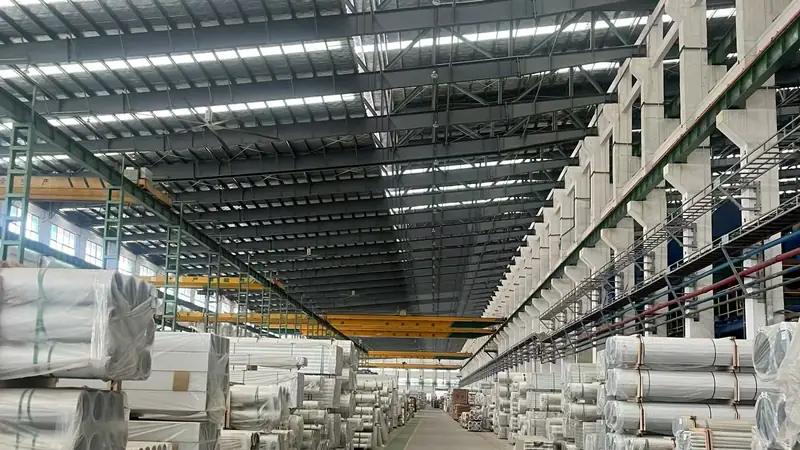
Schueco is a German system supplier for windows, doors and facades, and a comparison against a factory order is really a comparison of two structures. One sells a licensed assembly through approved fabricators and stands behind the network. The other extrudes, fabricates, glazes and packs under a single roof and ships to the buyer. Neither is better in the abstract. What differs is where the cost sits, who holds the design risk, and how the goods reach site.
The chain, described without figures
A system house licenses its assemblies to approved fabricators, who measure the site and build the modules. The installer then sets them and signs the handover. Each layer holds stock, carries a slice of liability and keeps a technical desk open for questions that arrive mid build. None of that work is waste, and none of it is free. A buyer comparing a chain price against a factory price is comparing a delivered service against a delivered product.
The direct structure and what moves
Order direct and the layers compress into one invoice, but three tasks land on the buyer. He becomes the holder of the specification, the inspector of the first batch, and the coordinator between the container and the site. Those are the tasks the chain was charging for. A buyer who has a clerk of works and a schedule can absorb them; a buyer without either will pay elsewhere for the same coverage.
The delivery path in both cases
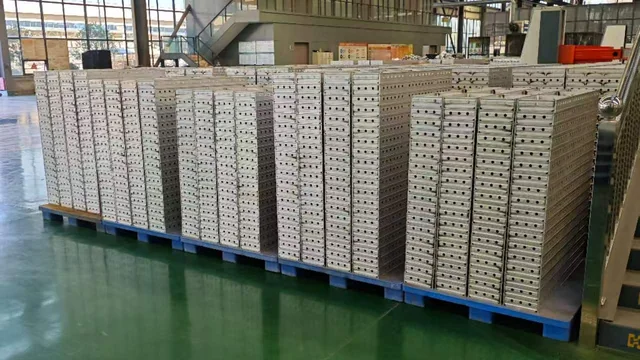
From stock through a fabricator, modules tend to arrive as the project calls them, which suits a refurbishment where the building stays occupied. From a factory, the run is produced against the approved schedule and the container follows the phase plan, so frames for a block travel together and glass may follow separately. Either way the date is confirmed with the quotation, against the series, the finish and the glass build.
Putting a name into the project
Private label is the part most buyers ask about last and use first. OEM and ODM supply with private-label packing lets a distributor, a fabricator or a developer put his own name into the project without owning an extrusion line: cartons carry his marks, the packing list matches those marks, and the identity on the delivery belongs to him. The assembly behind it is the same one that left the factory.
What the enquiry has to carry
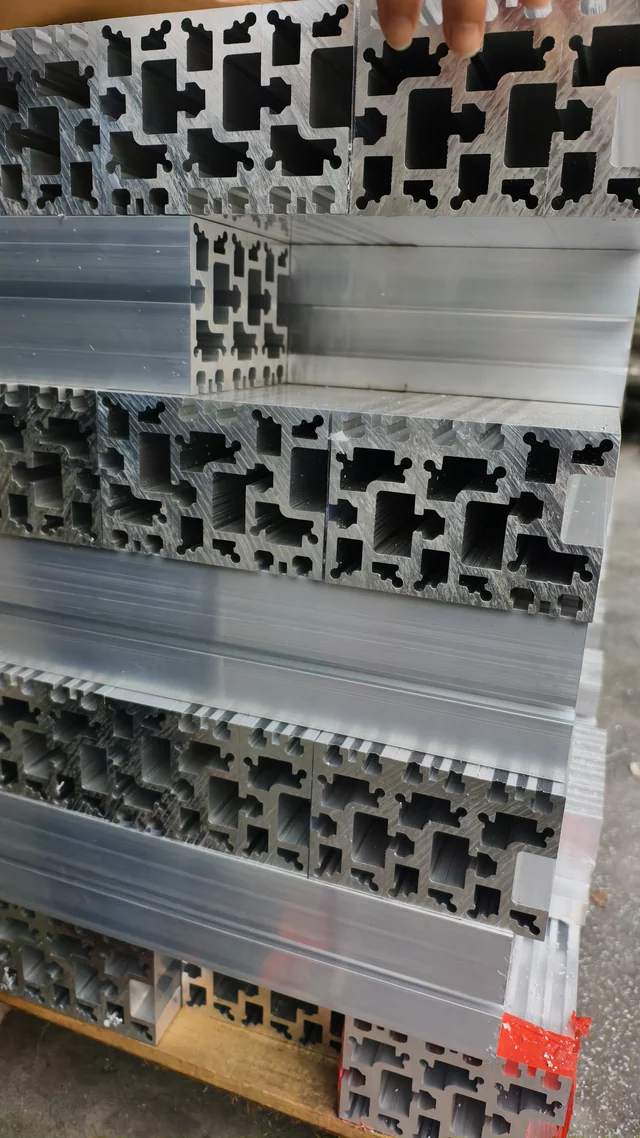
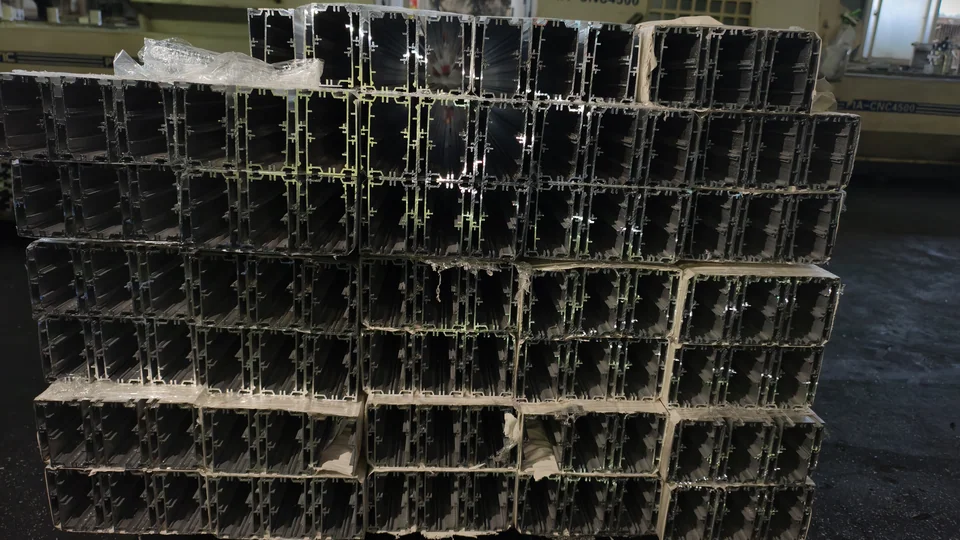
Send the opening schedule with clear sizes and reveal depths, the elevation drawings, the glass build, the finish code and the hardware expectation. Ask for the dimensional pack, a sample profile set and a finished test unit. A direct reply that arrives without those is not comparable with a system quote, however the total reads. The comparison is only as good as the two documents sets put side by side.
FAQ
Frequently asked
Is a factory window the same product as a system window?
It can be, if the section, the glass build and the hardware are matched and the documents prove it. The difference sits in the approval route and the network, not necessarily in the aluminium. Judge on the section drawing, the wall thickness and the glazing line rather than on the label on the carton.
Who carries the design risk on a direct order?
The buyer, in most cases. The factory builds to the approved schedule and the drawing it issued, so the measurement, the fixing detail and the interface with the wall stay with the project team. On a chain order part of that sits with the fabricator who measured the openings. Both arrangements work when the responsibility is written down before production.
Can my own brand go on a factory order?
Yes. OEM and ODM supply with private-label packing is standard, so cartons and packing lists can carry the buyer's marks instead of the factory's. That is how a distributor supplies a project under his own identity. Ask for the packing detail with the quotation, because marks and packing list have to agree at the container check.
How does delivery differ on a phased site?
A direct order is produced as a run and shipped against the phase plan, so a block can be closed up before the next one is glazed. Frames and glass may travel apart where the site cannot store units safely. The sequence is agreed with the order, and the date is confirmed with the quotation rather than assumed from a catalogue.
What makes two quotations comparable?
The same opening schedule, the same glass build, the same finish code and the same document request sent to both suppliers. Without that, a difference in the total usually reflects a difference in scope. Ask each side to state the alloy, the wall thickness per member and the hardware layout, then read the two replies line by line.
Send your opening schedule
Series, glazing and finish come back as one quotation, with the full dimensional pack on PDF and CAD on request.