
Guides
Regional Profile Brands: Alternatives and the Direct Route
Salumco, HBS and Crealco come up in enquiries from buyers who already run a regional profile brand and want a second route. HBS Aluminium Systems and Crealco are South African systems ranges, Crealco being the architectural range of Wispeco, and both are sold to fabricators rather than to end users. Salumco is named in the same shape of enquiry, as the profile brand a local fabricator already runs. What such a brand sells is not the same product as a finished window.
What a regional brand is selling
A regional systems brand sells a section library its local fabricators know, a hardware list that matches those profiles, stock within reach of a site, and a technical desk in the same time zone. That combination is worth real money to a fabricator who builds every week and needs an answer on a Thursday. It is also a service package rather than a product, and it is priced accordingly, which is what a direct comparison tends to miss.
A profile is not a window
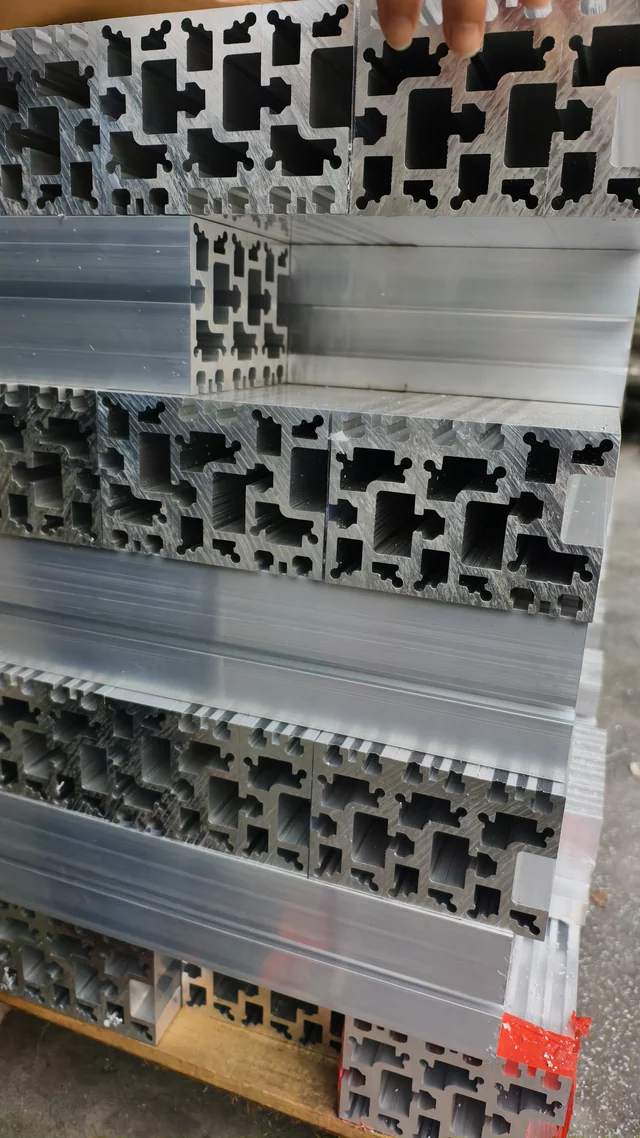
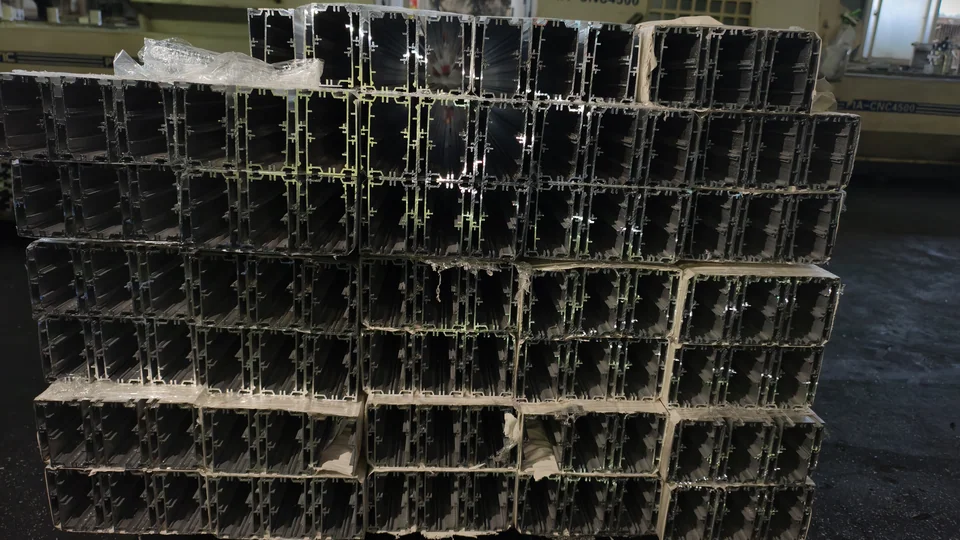
The deliverable differs before the price does. A profile brand supplies bars to a workshop that cuts, assembles, machines for hardware, glazes and tests. A factory order arrives as a finished, glazed and packed unit with a size schedule behind it. Placing the two side by side at the quotation stage compares a raw material with a finished good, and the difference in scope is larger than any difference in rate.
The responsibility line
Who owns the opening is the question that decides the rest. With profiles, the fabricator owns the measurement, the tolerance and the seal. With finished windows, one party owns the frame, the sash, the gasket, the glass and the packing, and answers for all of them against one dimensional pack. For a project with repeated openings, that single line is worth more than a catalogue of sections a workshop already has.
Where a direct order fits
It fits where the buyer controls the specification and the openings repeat: a housing block, a hotel floor plate, a school block, or a distributor who wants to hold stock under his own brand. It fits less well where a local consultant will only accept the brand already written into the documents, or where site support has to be in the same city. Be honest about which of the two a project is before the enquiry goes out.
The file that settles the comparison
Build one file for both routes. The opening schedule, the glass build, the finish code, the hardware expectation, then the documents wanted back: section drawings, wall thickness per member, glazing line, packing plan. Add a sample profile set and a test unit, and the sample of the finish on the real section. Whichever route answers that file completely is the one that can be audited at handover.
FAQ
Frequently asked
Are these brands Indian or South African?
The enquiry names arrive from several markets, so check the brand rather than the postcode. HBS Aluminium Systems and Crealco are South African systems ranges, Crealco being the architectural range of Wispeco, and Salumco is met as a regional profile brand at distributor level. What matters for the comparison is the model, since each of them supplies profiles through fabricators.
What does a profile brand supply that a factory does not?
Local stock, a fabricator network that already runs the sections, and technical support in the same time zone. Those are genuine advantages on a site that builds continuously. A factory supplies the finished window instead, glazed and packed, with a dimensional pack and a size schedule. The two offers answer different questions, and a buyer has to decide which question he has.
Where does a direct order stop being the better route?
Where the specification names a brand a consultant will not reopen, where the site needs a technical visit mid build, or where the buyer has no way to inspect a first batch. In those cases the local structure earns its margin. Where the openings repeat and the buyer holds the specification, the direct route removes layers without removing scope.
How do I check a factory claim against a brand?
Ask for the same four documents from both: section drawings with wall thickness per member, the glazing line and cavity, the hardware schedule, and the finish code with a sample on the actual profile. Add a finished test unit. A claim that cannot produce those four is a description rather than a specification, whichever name is on the carton.
Does private label work for a distributor?
Yes. OEM and ODM supply with private-label packing puts the distributor's marks on the cartons and the packing list, so the delivery carries his identity into the project. The assembly behind it is unchanged. Marks are agreed before the run starts, since a carton printed after production is a delay rather than a label.
Send your opening schedule
Series, glazing and finish come back as one quotation, with the full dimensional pack on PDF and CAD on request.