
Guides
Hurricane Impact Windows: What US Requirements Actually Cover
Storm-driven debris, not wind pressure alone, breaks most windows in a US hurricane. Building codes along the Atlantic and Gulf coasts answer that with impact protection requirements that reach the glazing, the frame and the fixings. This guide explains what those requirements cover, what a spec sheet has to state, and what to send a factory so the quote comes back buildable.
Where US hurricane requirements apply
US wind-borne debris requirements are set by the model codes and then amended by state and local jurisdictions. The high-velocity hurricane zone (HVHZ) covers the southern Florida coast, and it is the strictest regime. Elsewhere along the Atlantic and Gulf coasts, coastal counties define wind-borne debris regions by wind speed and distance from the coast. The practical point for a buyer: the requirement attaches to the project address, not to a product family. Two buildings thirty kilometres apart can fall under different rules, so the first document to collect is the code and the design wind speed the structural engineer has assigned to the site. Once that is fixed, the glazing and the assembly can be checked against it.
What impact-rated protection actually is
Opening protection in the US comes in three broad forms. The first is a full impact-rated window or door assembly, where glazing and frame are tested together and carry the rating as a unit. The second is impact-resistant glazing, usually a laminated glass with a plastic interlayer that holds the pane together after a strike. The third is a protective film or shutter system fitted over a standard window. Each route has a different paper trail. A full assembly is approved as tested. Laminated glazing has to be paired with a frame proven to carry it. Film and shutters are approved separately from the window. On a spec sheet the assembly route is the cleanest, because one test report covers what gets installed.
Laminated or tempered: what the layers do
Laminated glass builds a plastic interlayer between two glass plies. When a missile strikes, the interlayer stretches and holds the fragments in the opening, which is the behaviour the impact standards measure. Tempered glass is heat-treated to break into small blunt pieces; it is stronger than annealed glass under surface load, and it is used where safety glazing rules apply, but on its own it does not hold a broken pane in the frame. An impact-rated unit often combines the two: laminated plies for the missile resistance and, in some designs, a tempered outer ply for wind pressure and thermal stress. That build-up is a stack of specific glass thicknesses, interlayer type and cavity, and it has to match the tested configuration.
Frame and hardware in an impact assembly
Impact approval applies to the whole assembly, so the frame carries load alongside the glazing. A frame in a rated system is stiffer than a standard line of the same nominal depth, because the sash has to hold a heavier glazing stack and resist the pressure cycle. Reinforcing, corner joints, anchors and the hardware layout all sit inside that tested assembly. Multi-point locking matters here: a single lock point will not keep a large sash sealed through a pressure cycle, and the tested configuration normally calls out the number and the position of the lock points. When the rating is claimed at the assembly level, changing the hardware or the glazing stack leaves the approval describing something other than what you are buying.
What a spec sheet must state
A specification that survives review names the design pressure the assembly is rated to, the impact rating route, and the glazing build-up by glass thickness, interlayer and cavity. It lists the frame series and wall thickness, the hardware set, and the anchorage type and spacing. It states the finish system for the exposure, since coastal salt air attacks anodised and coated surfaces differently. It also records the installation tolerances the installer must hold, because a rated unit fitted out of plumb or with the wrong anchor spacing loses the performance that was tested. Vague lines such as impact glass or hurricane proof leave the gap for the supplier and the inspector to argue about after the windows are in.
Importing to US requirements: what to specify
When you buy from an export factory, the requirement list travels with the order. Send the site wind speed and design pressure, the opening schedule with sizes and orientations, the glazing build-up you need, and the performance route you are claiming. Ask how the factory confirms frame stiffness for your largest light, since that is where an assembly fails first. Set the hardware layout and the finish in writing. Add the test-unit expectation: a finished window made to the order specification, so the configuration can be checked before the container ships. Glazing build-up and engineering are confirmed against your project at quotation, which is the point where a mismatch is still cheap to fix.
How an export factory answers the requirement
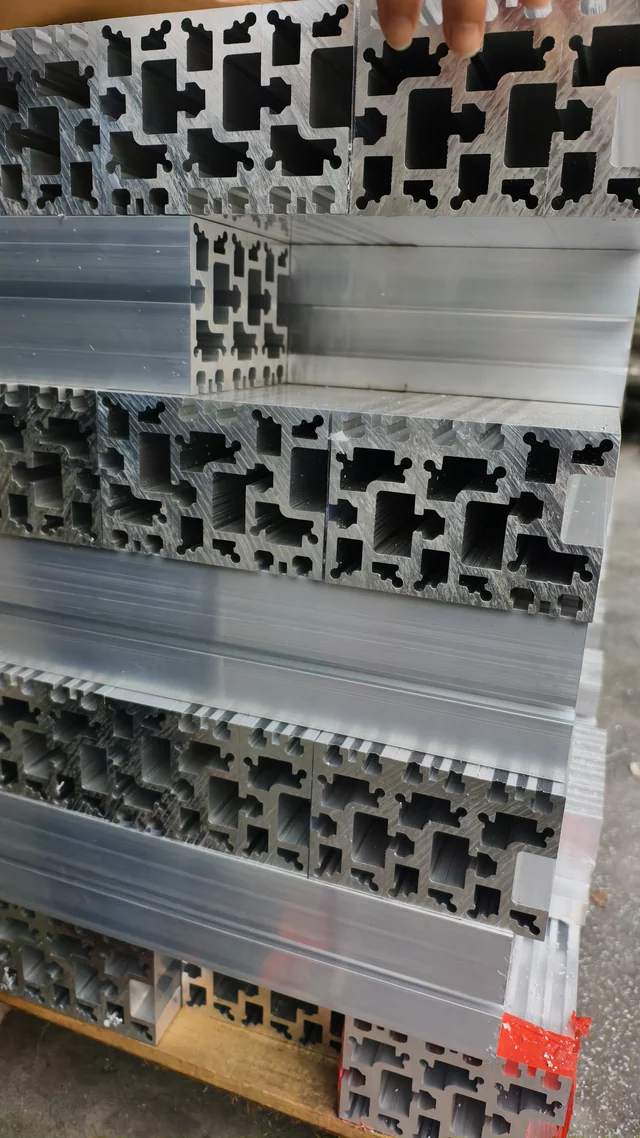
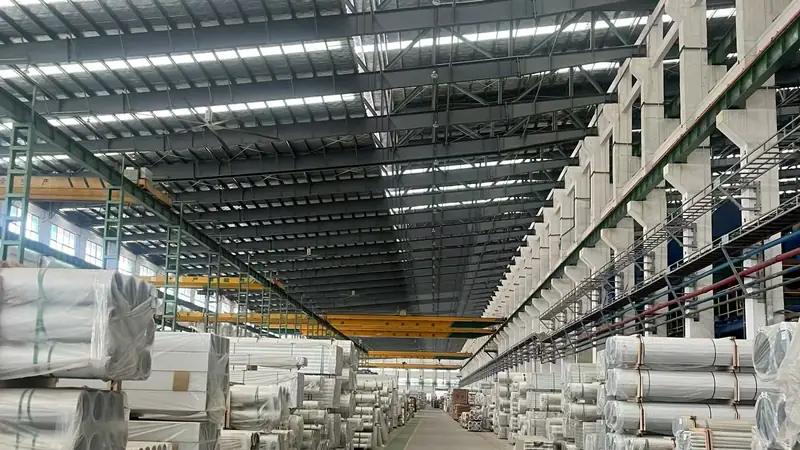
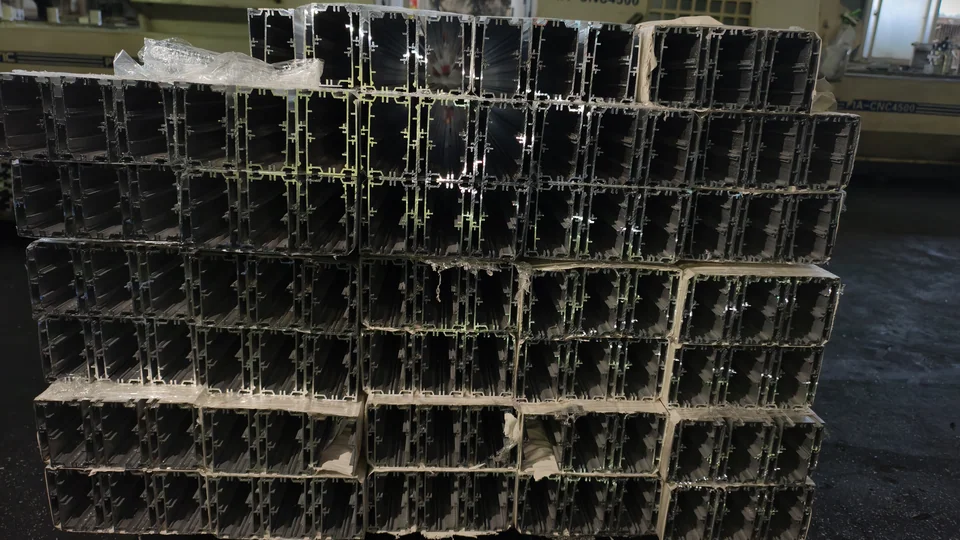
Adam Alux Systems has produced aluminium windows and doors in China since 1997, across three production bases, and extrudes its 35 series in-house in 6063-T5 primary aluminium. For a US impact requirement the practical exchange is engineering: the glazing build-up, the frame series and the hardware are matched to the site design pressure, and that match is confirmed at quotation against your opening schedule. A sample profile set and a finished test unit are available on request, so the assembly can be inspected before production. The company holds CE attestation to EN 14351-1, number M.2024.206.C101817, which speaks to the European product standard. A US project is quoted against the requirement you supply, since a single attestation does not cover every US jurisdiction on its own.
FAQ
Frequently asked
Does impact-rated glass break in a storm?
It can crack, and it is expected to. The interlayer keeps the broken pane in the opening, so the envelope stays closed and the internal pressure does not change. A tempered pane that shatters without an interlayer leaves an open hole. That difference, rather than the absence of cracks, is what an impact rating measures.
How is an impact window different from a storm shutter?
A shutter covers a standard window and is approved as a separate product. An impact window carries the protection in the glazing and frame, so nothing has to be fitted before a storm. Shutters can cost less per opening and add a manual step at every event. The code route that applies to your project decides which option is accepted.
What documents should I request from a supplier?
Ask for the test report covering the exact configuration you are buying, the glazing build-up in millimetres and interlayer type, the frame series and wall thickness, the hardware layout, and the finish specification. For an assembly rating the report should describe the unit as tested. If it lists a different glass stack or frame, the approval does not travel to your order.
How long does impact glazing last?
Laminated glass ages through its interlayer, and edge quality decides how fast. Sealed edges, a dry cavity and a glazing bead that keeps water off the edge extend service life. In coastal projects, salt and UV work on the frame and seals as well, so the finish system and the gasket material belong in the same maintenance plan as the glass.
Can a standard window be upgraded to impact on site?
Seldom with confidence. Impact approval applies to a tested assembly of glazing, frame and hardware, and a film or shutter is a separate approved product rather than an upgrade of the window. If the requirement is already active for the project, purchase the tested configuration. Retrofit protection usually means a shutter or film system approved for the opening.
Keep going
Related in the range
Send your opening schedule
Series, glazing and finish come back as one quotation, with the full dimensional pack on PDF and CAD on request.