
Guides
Aluminium Windows in South Africa: A Manufacturer Supply Guide
A South African buyer is usually not shopping for one window. He is a fabricator buying sections and hardware for a run, a distributor adding a line, or a contractor pricing a package across regions. Each of those wants a supplier who can repeat a section, hold a finish and answer with a document set. This guide treats the market as trade supply, from series rationalisation to the container.
Buying as trade rather than as a householder
The trade buyer's questions are repeatability and paperwork: will the second batch match the first, can the section be re-run against the same die, and does the quotation carry a dimensioned drawing. Walk-in demand is served by local retail chains, which is a different business from supplying a fabricator who has to keep a line running. Nothing in a trade order should depend on a stock shade being available that month.
Rationalise the series before the regions
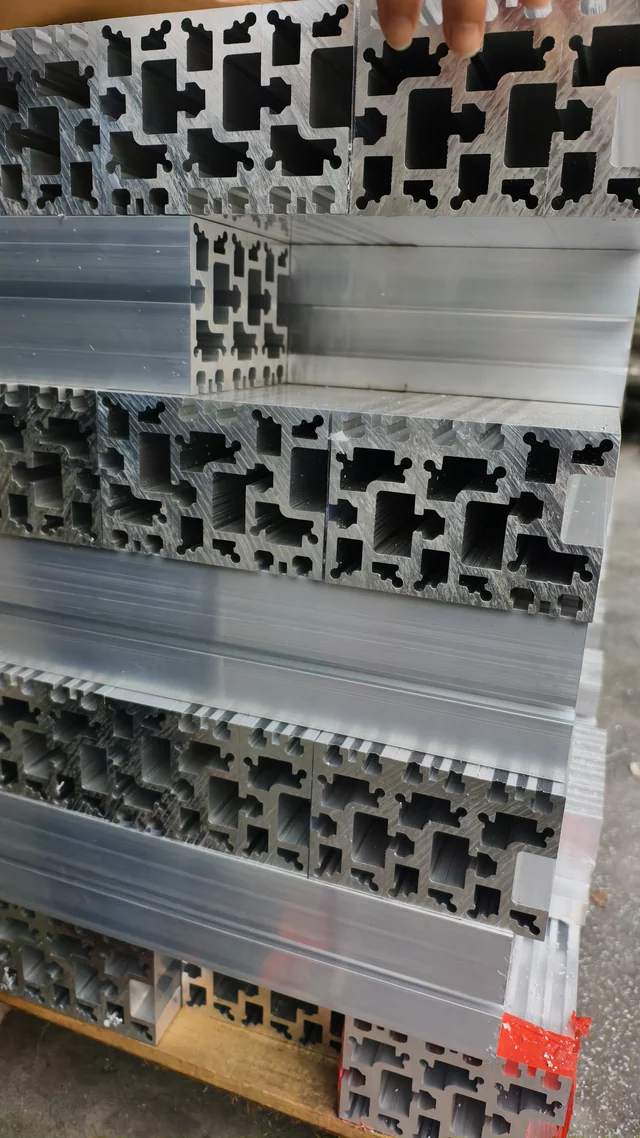
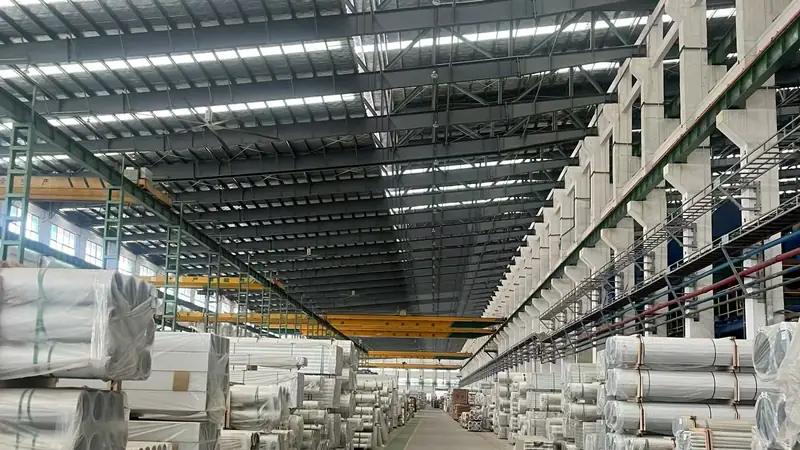
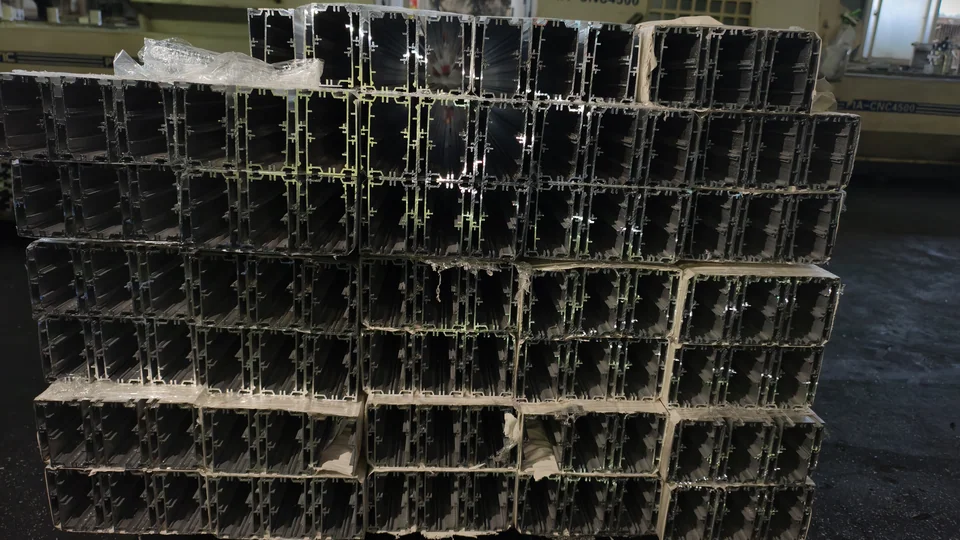
Start with how many lines the schedule really needs. The range covers 35 series, 28 of them doors and 7 windows, all extruded in house in 6063-T5, so a distributor can carry one window family, one slider and one door family and still cover most of the work. Every extra series adds a die, a finish setting and a spare part to hold. A short list also makes a phase two order look like phase one.
Three regions, three finishes
Cape Town takes Atlantic spray through the winter fog, Durban takes warm humid air off the Indian Ocean, and the highveld takes dry sun and summer hail. Fluorocarbon is the finish for elevations within reach of the sea, with anodised or a powder coat kept for sheltered work and interiors. RAL matching and two-tone faces let a distributor hold one colour story across the coast and the interior.
Hail, glass and apartment packages
Highveld storms put tempered glass on exposed elevations and on sliding door leaves, which ship with automotive-grade tempered glass as standard. Apartment work brings the fire door line into the same schedule, with catalogue ratings at 20, 45, 60 and 90 minutes across hotel, apartment, institutional and metal lines. Window and door finishes should be quoted together, since a package with two whites on one facade is a site argument. Fire doors also share the frame finish, which is the reason for quoting them on the same document.
Containers, OEM and the pack
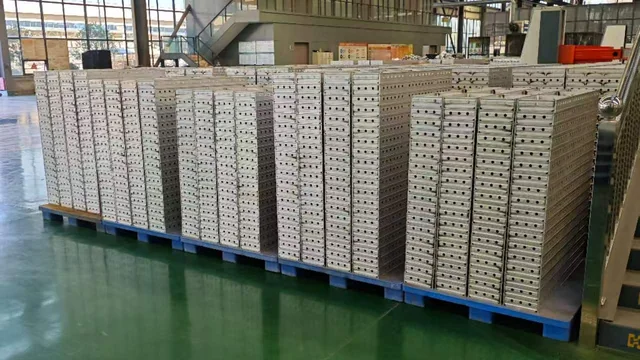
Durban and Cape Town both take full containers, and glass can travel in separate crates so a hail-belt site glazes as it closes up. Private-label packing and buyer-brand documentation are available where the order runs under a distributor's name. The dimensional pack arrives with the quotation as a PDF, CAD drawings on request, and a sample profile set with a finished test unit can be inspected before the run starts. Lead time is confirmed with the quotation.
FAQ
Frequently asked
What does a South African fabricator need from a supplier?
A section that repeats, a finish that can be re-run, and a drawing set that arrives with the price. Ask how a second order is matched to the first die and whether the same base runs it. A supplier that answers those three questions needs no showroom to sell a trade line.
Which series should a distributor carry?
A short list: one casement family for standard rooms, one sliding line for balcony fronts and one door family. The range runs to 35 series, 28 of them doors and 7 windows, but carrying all of them ties up a die, a finish setting and spares for each. Two or three lines cover most of the demand.
How does the finish differ across the regions?
The coast pushes to fluorocarbon, because Atlantic fog at the Cape and humid ocean air at Durban both carry chloride onto the frame. Inland work holds with anodised or a powder coat, and the highveld adds hail to the brief rather than salt. RAL matching keeps one colour across regions, and two-tone faces separate the outside from the inside.
Can fire doors be included in a window order?
Yes, and it usually helps, because frames and finishes are then quoted on one document. Four catalogue lines cover hotel, apartment, institutional and metal work, with ratings listed at 20, 45, 60 and 90 minutes. No South African approval or listing is claimed, so the responsible party signs the door off against the project drawing.
What paperwork comes with a trade order?
A dimensional pack as a PDF with the quotation, CAD drawings on request, packing lists that match the carton marks, and private-label documentation where the order carries your brand. Certification is limited to CE to EN 14351-1, no. M.2024.206.C101817, issued by UDEM, and nothing beyond that is claimed for the market.
Keep going
Related in the range
Send your opening schedule
Series, glazing and finish come back as one quotation, with the full dimensional pack on PDF and CAD on request.