
Guides
Aluminium and UPVC Windows: Choosing Between Them
Put the same opening in aluminium and in UPVC and the difference appears in the section rather than in the photograph. One is extruded metal with a drained chamber behind the glass; the other is a plastic profile that leans on a steel core to hold its shape. Both close, both insulate, and both have a place on a project. The choice turns on opening size, sun exposure, colour life and how the window gets serviced years from now. This comparison works through those points in the order they decide a schedule.
Where the two profiles part
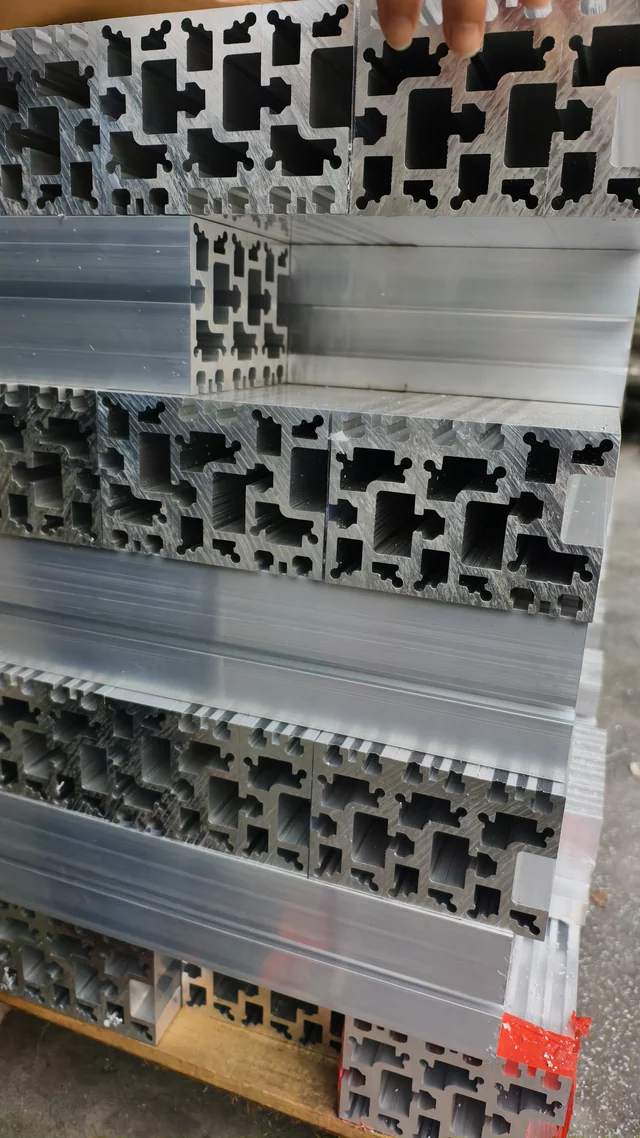
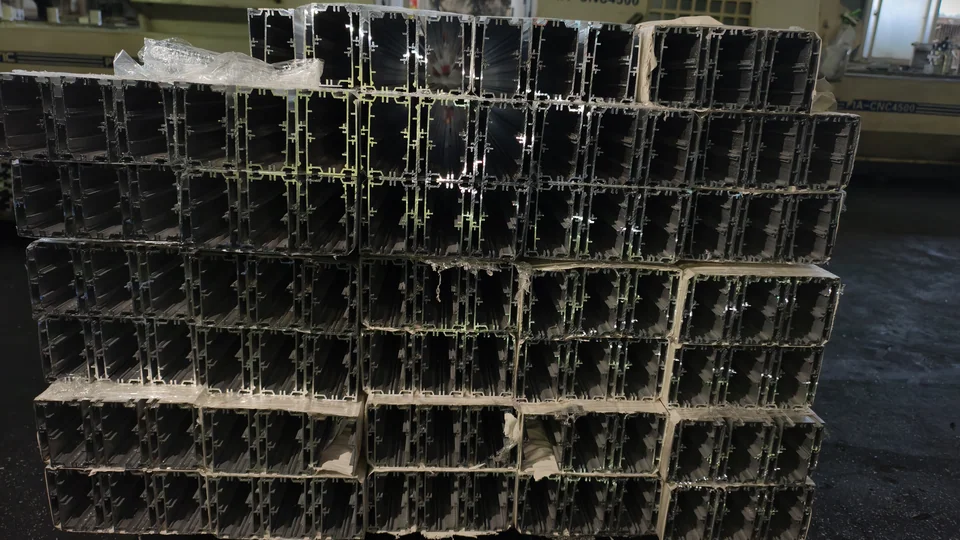
An aluminium window is extruded in 6063-T5, so the section can be drawn with chambers, a drainage path and a rebate deep enough for an insulating unit. A UPVC profile is extruded in plastic and stiffened with a steel or aluminium core, which sets a limit on how thick a unit it can carry and how wide a sash can be built. Neither of those is a defect. It is a difference in what the section can be asked to do across a wide elevation.
Depth, glass and the size of the light
Glass drives the decision on larger openings. Adam Alux builds the 118 casement at 118 mm depth on six chambers with 5-27 A-5 glazing, and the 112 casement on five chambers with a flush-line sash; both carry a 2.0 mm wall. A plastic window of the same nominal size usually tops out at a narrower unit. Where the elevation is a full-height light, the aluminium section is what keeps the sash rigid at widths UPVC cannot reach.
Colour under strong sun
Sunlight is where the two materials age differently. A coated aluminium face is anodised, powder coated or finished in fluorocarbon, and RAL matching with two-tone exterior and interior faces is available on request. Colour sits on the metal as a coating, so a damaged face can be recoated on the section without disturbing the frame. A plastic profile carries its colour through the material, and long exposure shows first on the face that takes the light.
Hardware and the weight of a sash
Hardware follows weight. A sliding sash rides on rollers, and the 95 series runs ball-bearing rollers as standard so an insulating unit does not flatten the wheel and drag the leaf. A hinged sash puts its weight onto hinges and onto a multi-point lock with a keyed handle, which draws the sash onto the gasket around the perimeter. The frame has to hold those fixings, which is a question about wall thickness more than about colour.
Repair and the comparison method
Ask how each window comes apart. Aluminium corners are crimped or cleated, so a sash can be lifted out and returned. A welded plastic frame is one piece from corner to corner. Beyond that, put both products on the same opening schedule: the same sizes, the same glass, the same finish and the same document request, then read the two replies side by side. Send that schedule before either supplier proposes a system.
FAQ
Frequently asked
Is aluminium better than UPVC for windows?
Not in every case. Aluminium wins where the light is wide, the sun is strong, or a colour has to hold for years, because the extruded section carries a larger unit and can be recoated. A plastic frame suits smaller openings on a tighter first cost. Judge on the opening schedule rather than on the material name.
Can UPVC carry the same glass as aluminium?
Rarely at the same size. The plastic profile and its reinforcing core set a limit on unit thickness and on sash width, so a wide light with a thick insulating unit tends to move to aluminium. Confirm the maximum unit thickness for the exact profile you are offered, not for the family name.
How does sun exposure change the answer?
A coated aluminium face takes colour as a finish, and anodised, powder coated and fluorocarbon options behave differently on a west elevation. Two-tone faces let the outside and the inside read separately. On a plastic profile the colour runs through the material, so the face that takes the sun is the face that changes first.
Which hardware should I compare?
The lock and the roller. The casement lines use a multi-point lock with a keyed handle, and the 95 sliding series runs ball-bearing rollers as standard. On a wide sash the roller or the hinge set carries the load, so ask for the hardware layout to be attached to the quotation.
What should I send for a fair comparison?
One opening schedule with clear sizes and reveal depths, one glass build-up, one finish code and one document request, sent to both suppliers. The replies can then be read against each other. The dimensional pack arrives as a PDF with the quotation, with CAD drawings on request.
Send your opening schedule
Series, glazing and finish come back as one quotation, with the full dimensional pack on PDF and CAD on request.